We use cookies to improve the services we offer you. By continuing to browse this site, you consent to keep them in accordance with our Privacy Policy.
×We use cookies to improve the services we offer you. By continuing to browse this site, you consent to keep them in accordance with our Privacy Policy.
×
 132
132
 7 min
7 min

Most startups are aware they need to use video content for marketing. However, bringing that idea into fruition is where most startups lack. Only a handful of companies know where to start. And that gap between the idea and execution is where marketing budgets are mostly wasted.
But fret not, as by the end of this guide by Zelios, you will have a better understanding of your next steps, if you are in this situation.
The first mistake every startup makes is not having an end-goal. They kickstart a project thinking “What should we make?”, forgetting that they need to go to the drawing board foremost and come out with a plan. Before the team starts approaching any production agency, a few things need to be clear.
Firstly, what are you aiming to get out of this video? Sign ups? Bookings? Investors? Or reducing your churn for better video marketing results? Either way, you need to know what you’re aiming for.
Secondly, who is your target audience? It can be anything from a B2B company to a Gen-Z user scrolling TikTok. This will help you narrow down your audience’s habits, and therefore help shape the video for that audience.
Third, and last, what is your budget for this project. The budget will determine the quality of the project, and therefore impact your strategy.
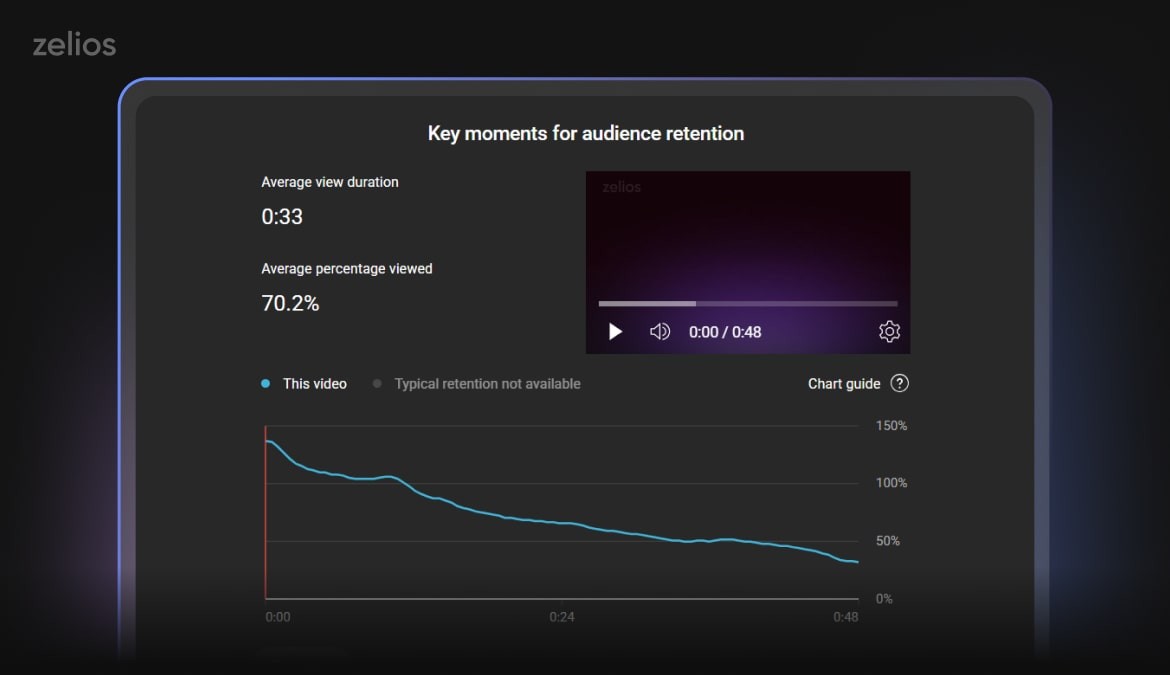
Source: https://zelios.agency/wp-content/uploads/2025/10/1144818568-min.jpg
** 89% of Gen Z are on Instagram, 84% are on YouTube, and 82% are on TikTok. — SproutSocial, The 2025 Sprout Social Index
Once you know what you’re trying to achieve, matching it to the right format becomes surprisingly straightforward. The key is resisting the temptation to make one video do everything at once.
If you are more focused on brand awareness, short form videos are your best bet. However, if you want to being a new product to the market, demos and explainer videos are a much better approach. For complex products, these explainers often work best as animation, which is where partnering with an animated video agency such as Broadcast2World can help you simplify difficult concepts into something digestible.
On the other hands, if you want to generate leads from this video, webinars and tutorials give your audience the answers they need upfront. And therefore, get you some solid leads. If you’re looking for social proof, customer testimonials is a great way to go. This can also be achieved via case studies.
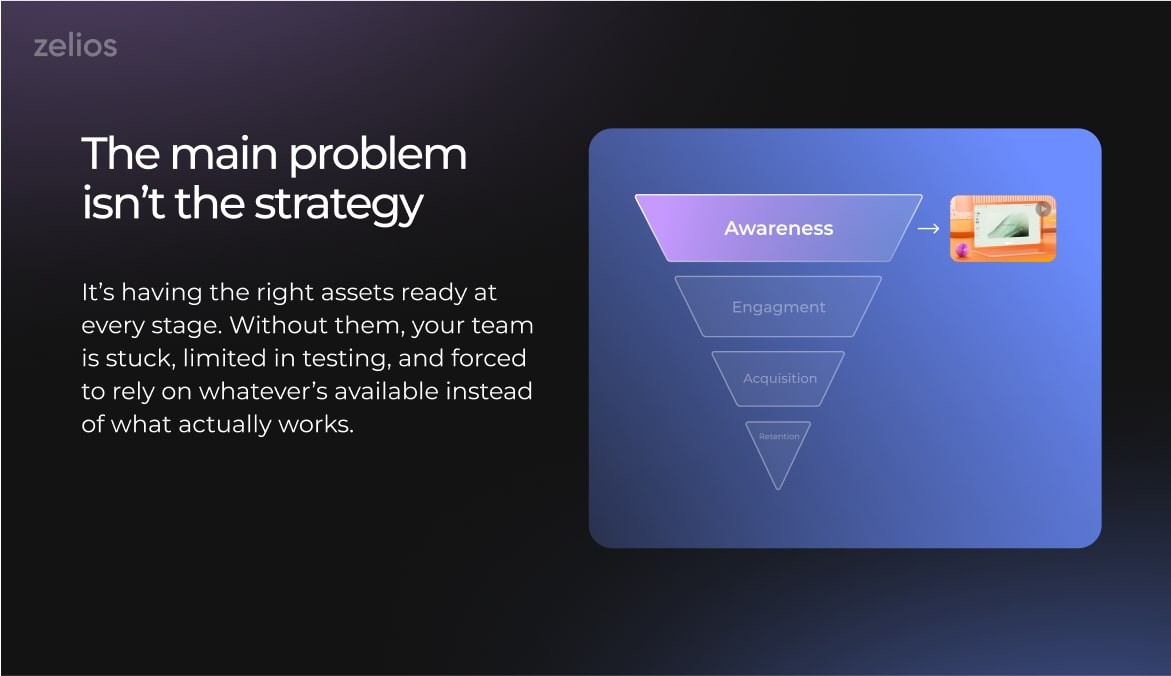
Source: https://zelios.agency/wp-content/uploads/2025/07/1144818523-min.jpg
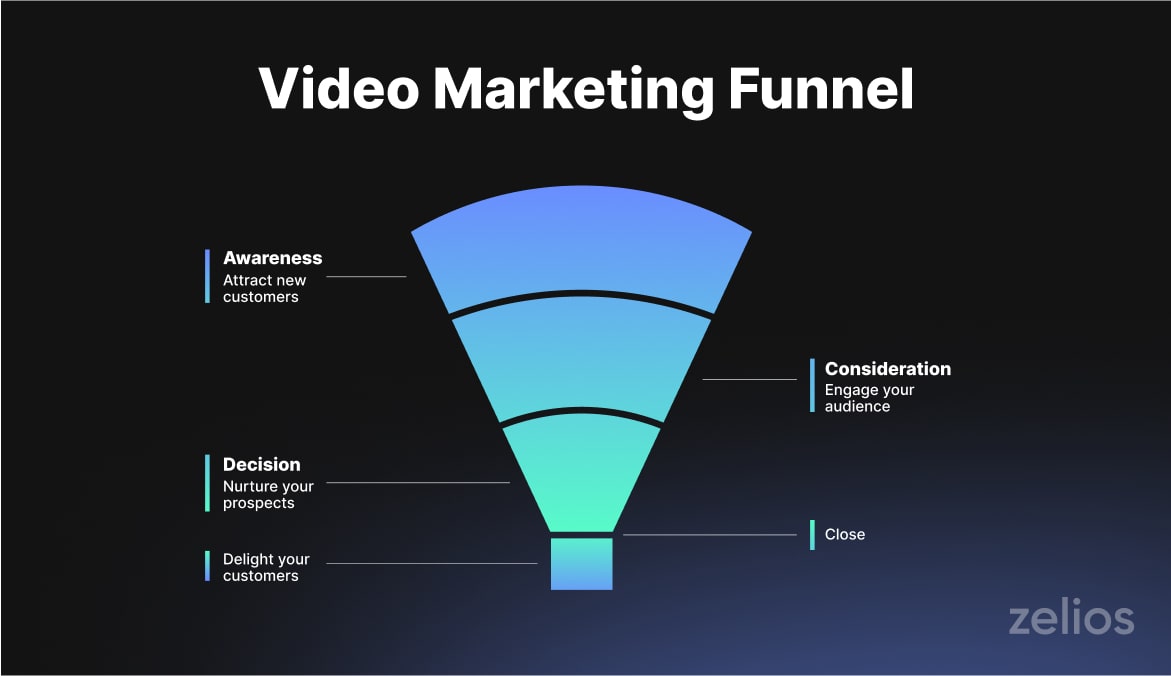
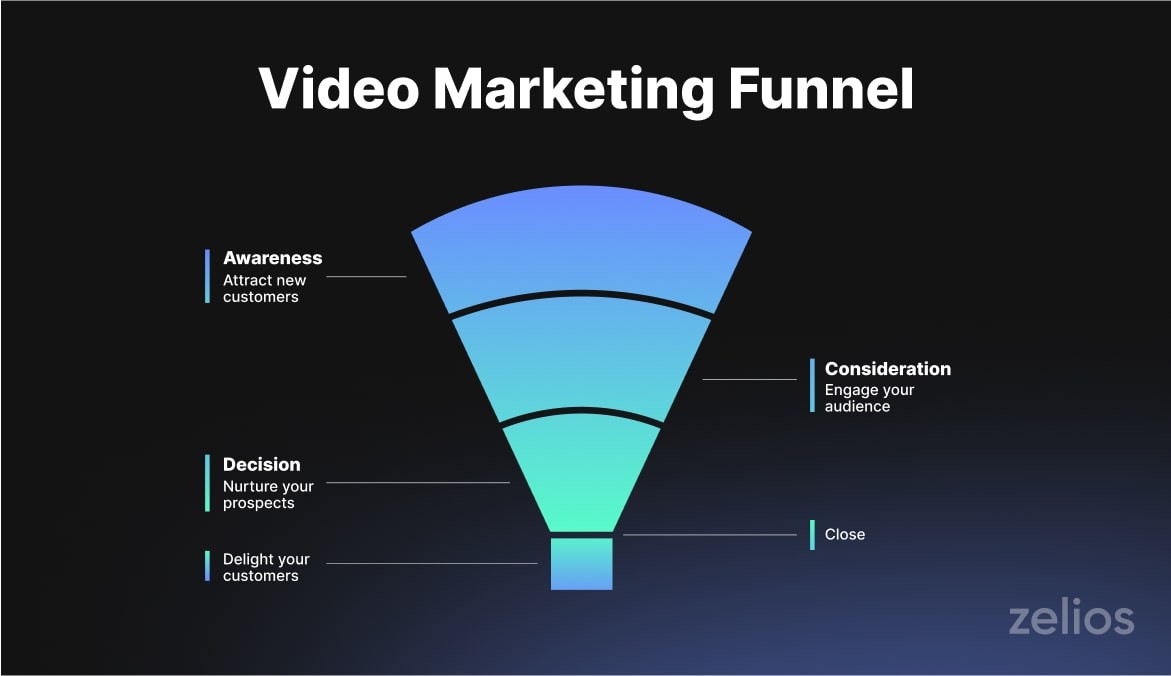
As you move forward in your strategy, funnel stage matters as much as your end goal. However, the two do not always line up the way founders would expect. Here is how each major video type falls into three categories:
TOFU is where short-form videos fall. This includes brands stories, UGC-style content. In this category, you are building a new audience, and earning their curiosity. Keep your content short, punchy, and to-the-point.
MOFU includes demos, explainers, and comparisons. In this stage, your audience is evaluating their solution options. They need to understand how your product works, how its different, and whether your product will solve their problem.
BOFU includes testimonials, case studies, live demos, and founder Q&As. In this stage, your audience is very close to making a decision about your product. These videos help establish that confidence. This is proof that your product delivers results.
Source: https://zelios.agency/wp-content/uploads/2025/03/2120-min-1.jpg
Even the best videos fail when they are posted on the wrong platform. So ask yourself the big question, “Where will this video perform best?”. Here are some starting points:
LinkedIn videos are all about thought leadership, success stories, and demos. For this platform, square or horizontal aspect ratios work best. Go for a professional tone and be consistent.
Instagram and TikTok are best for short-form content. The best videos are UGC-format videos, backstage clips, and fast-moving product teasers (using motion graphics). Authenticity beats production value for these platforms.
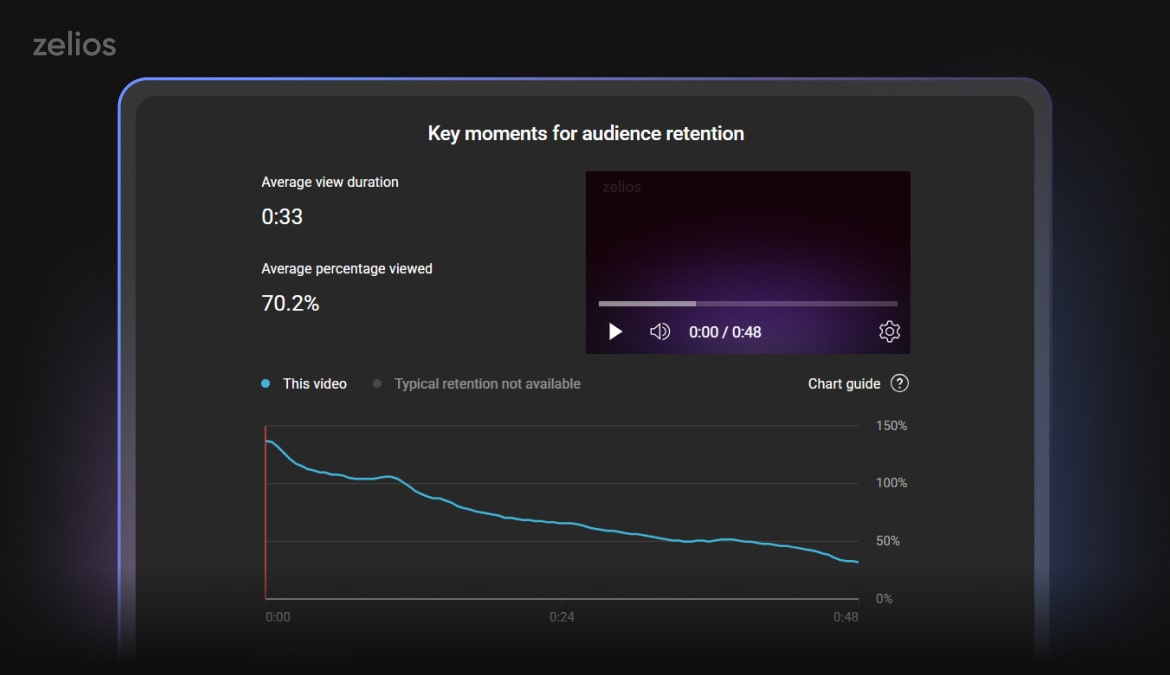
YouTube is the best platform for long-form videos. This includes how-tos, in-depth tutorials, and product deep-dive. This platform will work great for your videos’ SEO value. A well-optimized YouTube video will drive organic traffic.
Your company website and landing pages will support explainer videos, testimonials, and product demos, helping convert browsers into buyers. These videos help minimize friction, help answer any queries, and move your visitors towards a decision.
The rule of thumb with this is simple. Find out your ideal platform, for your ideal customer. And then build form that.
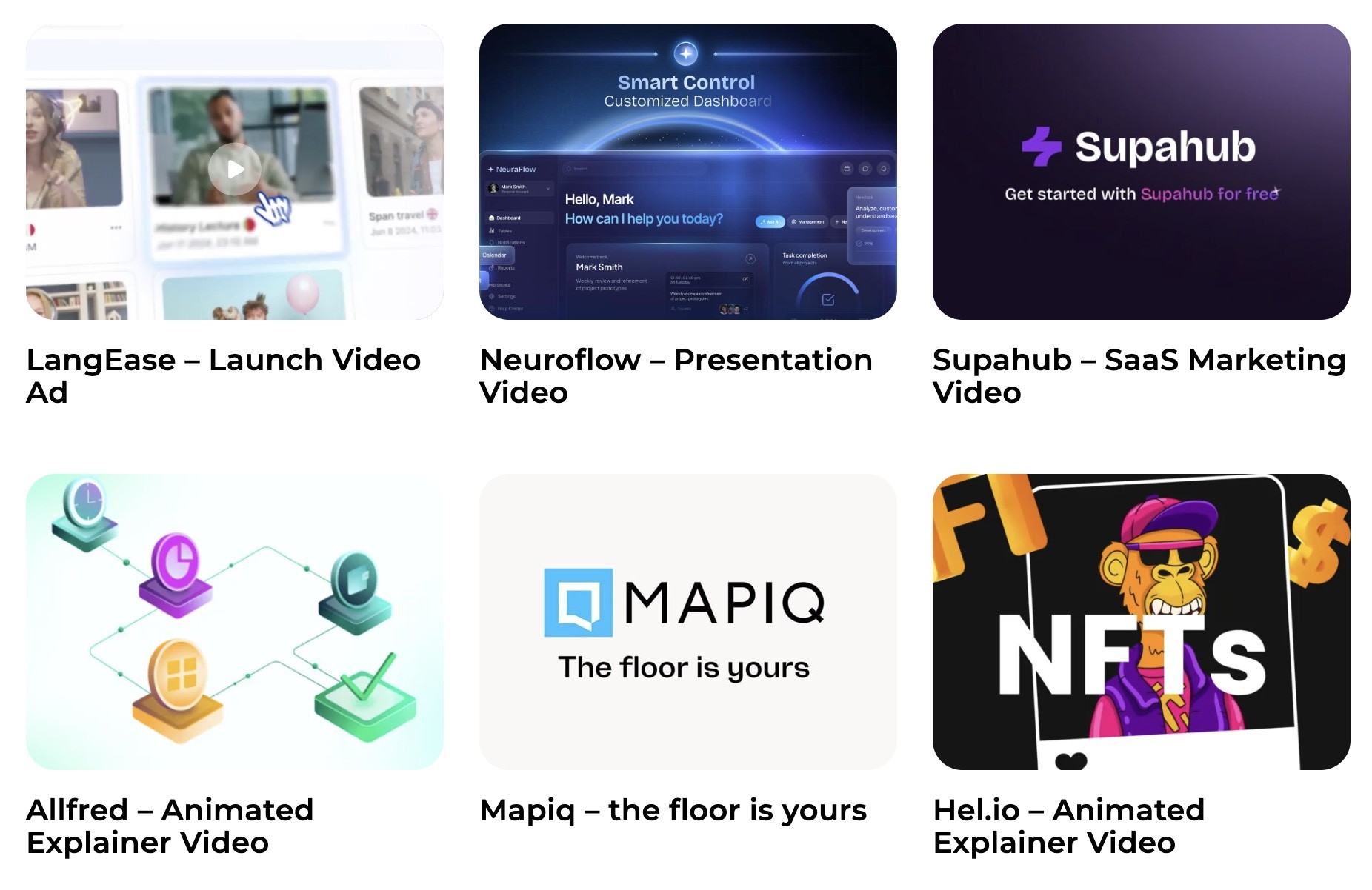
Source: https://cleanshot.com/share/mZQycshj
Another important yet overlooked step is competitor analysis. Spend as much time as you can finding out what your competitors are working on, and how their strategies are performing. Understand what resonates with your target audience and learn from it. It is recommended to look at their highest performing content and seeing why it works. Look carefully at the gaps they are leaving for others.
Always remember that differentiation is important, and it seldom comes from better production. It always needs a sharper point of view, and an honest tone in your content. It is also recommended to go for formats that are not yet being used, and A/B test what works.
To sum it up, the best approach for your product is not to make a flashy video and move on. It is also not to pour all your budget into YouTube shorts and be done with it.
But instead, it is to match your company goals, speak to your audience, and fit the funnel stage that you want to target. We recommend picking one video for each funnel stage and starting from there. Lastly, be consistent for maximum exposure.