We use cookies to improve the services we offer you. By continuing to browse this site, you consent to keep them in accordance with our Privacy Policy.
×We use cookies to improve the services we offer you. By continuing to browse this site, you consent to keep them in accordance with our Privacy Policy.
×
 44
44
 11 min

Video creators are great at producing content, but online media often feels out of reach. Media coverage is still commonly associated with PR agencies, complex pitching processes, and long negotiations. As a result, many YouTubers and video marketers don’t see online publications as a realistic or accessible growth channel.
PR agencies do handle this work. They select content, repackage it for media, and communicate with editors. That model makes sense when scale, speed, or ongoing coverage is required. However, it’s not the only way to get featured. In practice, many video creators can publish in online media independently, especially if they already have strong video content and a clear area of expertise.
Today, getting featured in online media is far more straightforward than it seems. There are multiple paths, from free editorial placements and curated lists to paid formats with transparent conditions. In this article, we break down practical, step-by-step scenarios that allow video creators to work with online media without PR agencies, using their existing content and accessible tools instead of complex PR workflows.
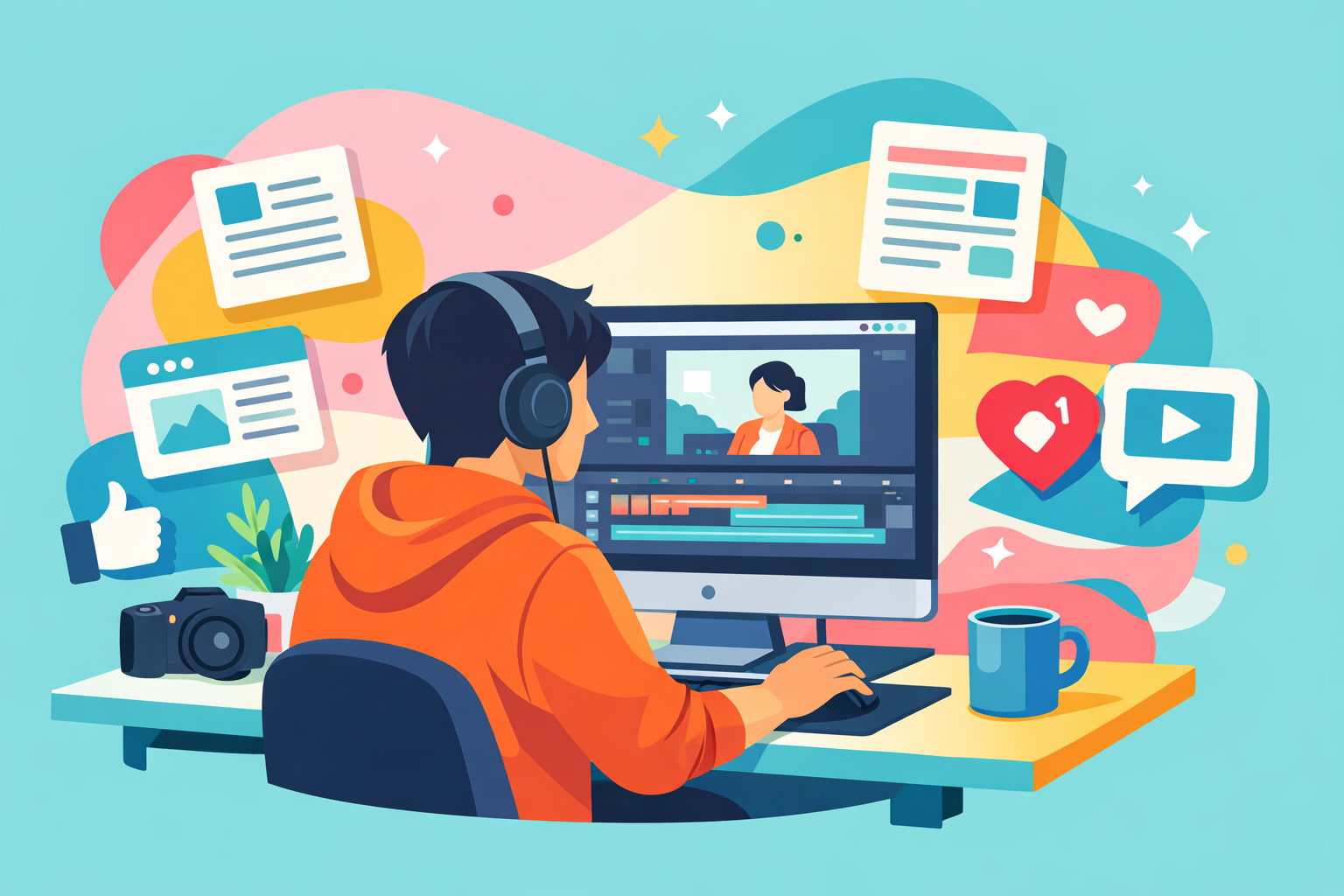
For video creators, online media coverage is not an alternative to YouTube, TikTok, or social platforms — it’s a natural extension of them. Online media serves a different purpose and operates at a different level, especially where platform-based growth starts to plateau.
As a result, online media stops being “something extra” and becomes a practical growth tool. It strengthens personal branding, expands reach, and improves visibility in an environment where decisions about what to watch and read are increasingly influenced by both people and AI systems as well.
Despite a common misconception, getting published in online media is no longer a closed or inaccessible process. In many cases, creators can work directly with editors and secure coverage for free — as long as the content is relevant and genuinely valuable to the publication’s audience. This is especially true for curated lists, expert commentary, and educational content.
It’s also important to understand that PR agencies don’t perform “magic” in these situations. They carry out a set of concrete tasks: selecting suitable content, repackaging it for media formats, and communicating with publications. If a creator already has strong videos, a clear topic, and a basic content structure, a significant part of this work can be done independently.
At the same time, free placements are not the only option — and not always the most practical one. Some publications don’t accept unpaid content, while in other cases creators simply want to save time and achieve a predictable outcome. In such situations, paid publication formats become a normal part of the process. The key is finding which approach best fits your specific goal.
To make the right choice, it’s more effective to focus on concrete scenarios rather than abstract PR concepts. Depending on whether you’re promoting a personal brand, a channel, or your expertise, the path to online media will look different.
Online media operates in different ways, which is why it’s crucial to choose publications based on a specific goal rather than targeting media “in general.” Below are the most common scenarios, along with examples of where it makes sense for video creators to publish.
Before pitching your content for publication, make sure you have the following basics in place:
Once these elements are prepared, working with online media becomes much more straightforward. You’re no longer starting from scratch or “doing PR” but simply adapting existing content to formats that publications already work with. From here, the exact path depends on your goal: growing channel visibility, positioning yourself as an expert, or repurposing long-form educational content.
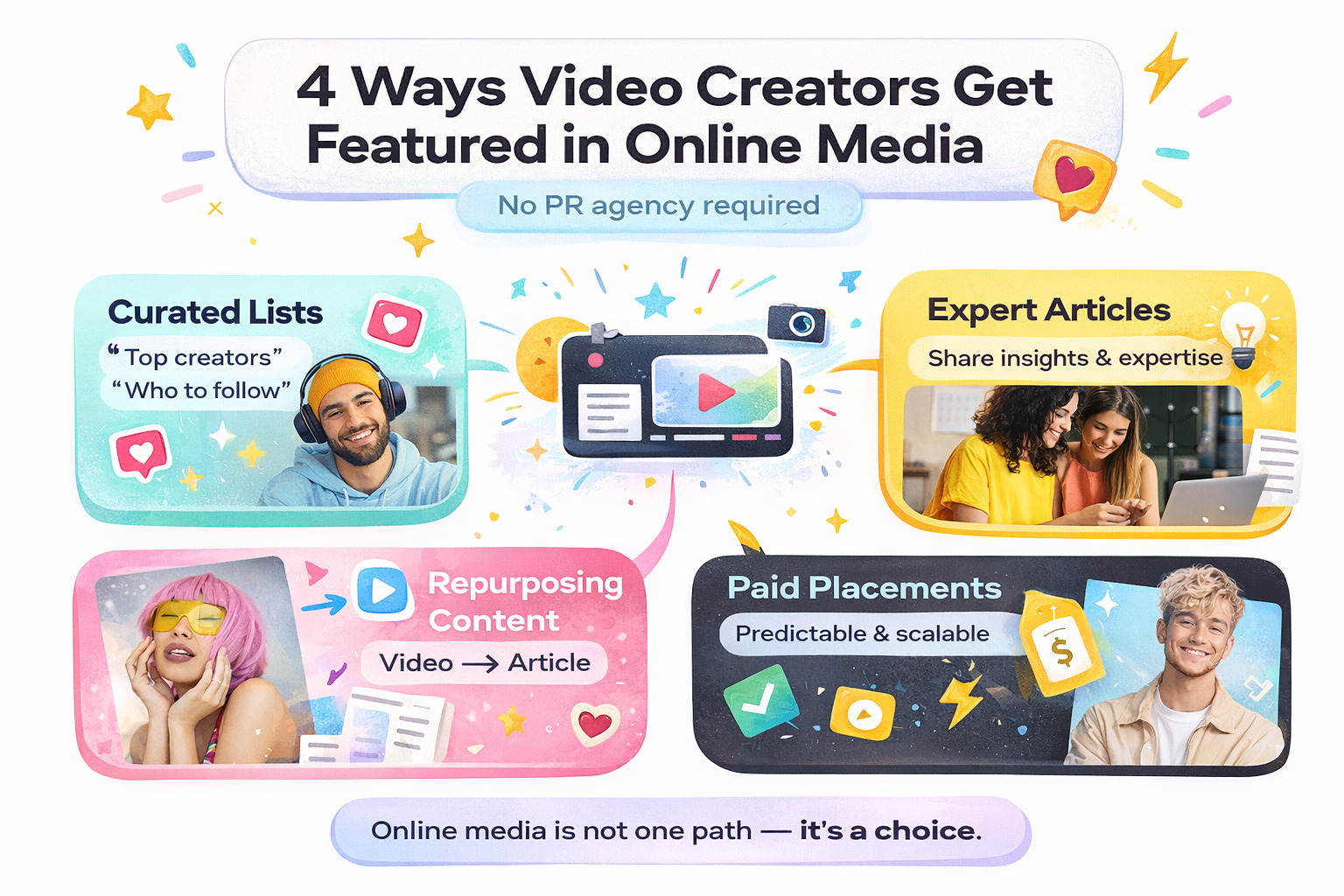
If your goal is to increase channel visibility, curated lists and recommendations tend to work best. This format performs well both for readers and AI tools: articles like “who to follow” or “top channels in a niche” often appear in search results and AI-generated answers.
For example, if you run a YouTube channel about cars or motorcycles, it makes sense to target niche publications that regularly publish reviews, rankings, and themed roundups. Media outlets such as Motor1, Autoevolution, or RideApart frequently work with transportation-related content and audiences interested in video formats. Being featured in a list on these platforms delivers reach and a strong reputational effect as your channel appears alongside well-known brands and industry experts.
The mechanics here are relatively straightforward: you identify relevant lists or thematic articles and suggest adding your channel, clearly explaining why your content would be valuable for their readers. In many cases, this can be done for free if the channel genuinely fits the topic and quality standards of the publication.
If your content focuses on growth strategies, formats, or platform mechanics, media outlets read by other creators are a natural fit. In this scenario, niche matters less than expertise.
A strong example is Tubefilter, one of the leading media outlets for YouTube and TikTok creators, publishing industry news, analysis, and expert commentary. Articles from Tubefilter are frequently referenced by AI tools and cited by other publications, making these placements particularly valuable for long-term visibility and authority.
Here, you can publish breakdowns of formats, trends, or algorithm changes — even if you originally covered these topics in video form. The publication gets a structured, editorial-ready article, while you reinforce your expert positioning beyond your own channel.
If you’ve recorded lectures, webinars, or in-depth educational videos, marketing and business media that publish guides and practical articles are often the best match. Platforms such as Social Media Today, Business2Community, or ReadWrite regularly work with educational content and case-driven materials.
In this case, the video becomes the foundation of the article. It can be transcribed, structured, supplemented with examples and visuals, and turned into a publication-ready piece.
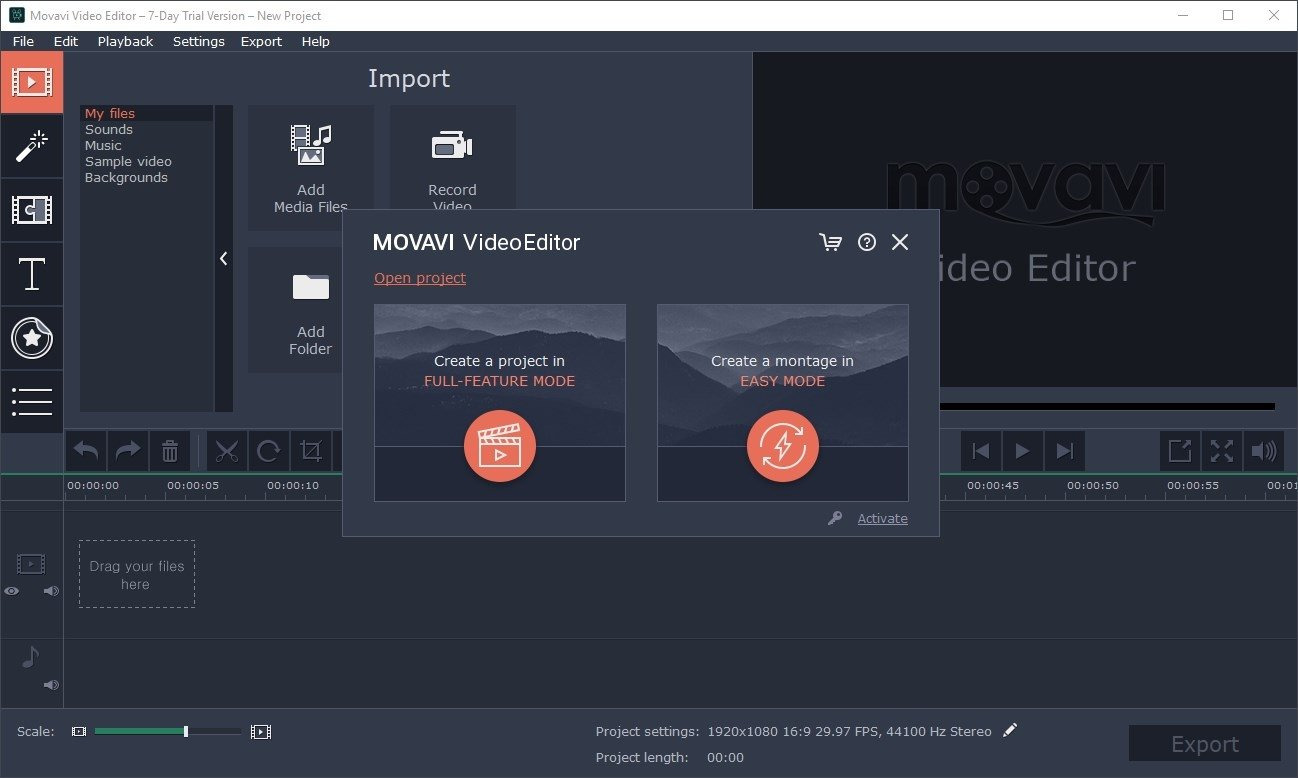
To prepare video content for media, creators often need to extract key insights, refine visuals, and create additional screenshots or short clips. Video editing tools like Movavi help simplify this process, from trimming educational footage to preparing visuals that perform better in text-based articles.
For video creators, this is one of the fastest ways to get featured in online media without creating content from scratch and with minimal additional time investment.
Not all media outlets operate on a free model, especially larger publications or commercial sections. This doesn’t mean the opportunity is closed: it simply changes the format of interaction.
In these cases, platforms like PRNEWS.IO make the process easier by allowing creators to view available media outlets in advance, compare publication conditions, and select placements that match their goals. This approach is particularly useful if you want to get featured in a specific publication or scale media coverage without lengthy back-and-forth with editors. In practice, such platforms take over the part of the workflow that creators usually hire PR agencies for but in a simpler and more transparent format.
It’s important to view online media coverage not as a final destination but as a point of amplification. A single piece of content can work across multiple channels when used intentionally.
After an article is published, it should be connected to your video content. You can add the link to video descriptions, reference it in social media posts, or mention it in comments when related topics come up. For brands and partners, media coverage also serves as clear proof of expertise that you can use in negotiations, pitch decks, and media kits.
Online media also strengthens long-term visibility. Articles continue to be indexed, included in curated lists, and used by AI tools as reference sources. Over time, this creates a compounding effect: a creator’s name appears more frequently across different contexts, even without ongoing promotion.
Combining video content with online media helps build a more resilient digital presence. Videos capture attention and emotion, while articles anchor expertise and make it accessible for search, recommendations, and AI-driven discovery.
Online media is no longer a closed space reserved only for large brands and PR agencies. For video creators, it has become an accessible and flexible tool that can support different goals, from increasing visibility and growing a channel to reinforcing expert positioning.
Today’s media formats allow creators to publish in multiple ways: through curated lists, expert articles, or by repurposing existing video content. Sometimes this can be done for free; in other cases, paid options offer a faster and more predictable path. The key is understanding that PR agencies are just one possible route, not a mandatory requirement.
As content discovery increasingly depends not only on people but also on AI systems, having a presence in online media becomes an essential part of a video creator’s strategy. It’s a way to make expertise visible, scalable, and less dependent on any single platform.